
Burns, Wounds and Skin Grafts

We debride wounds and burns, and perform skin grafts when needed.

Deep wounds and burns need prompt debridement and proper care. Based on the extent and depth of the injury, we guide you step by step from dressing changes to skin grafting.

When You Need Prompt Care

A wide or deep wound with bleeding or contamination
A burn that has damaged the dermis beyond blistering
Slow wound healing due to diabetes or other conditions
A wound that is not healing well and shows signs of infection
When You Need Prompt Care

How Treatment Proceeds

  1. 01

    Wound Assessment and Debridement

    We assess the depth and extent of the injury and check for infection, then remove dead tissue and contamination.

  2. 02

    Deciding on Treatment

    We determine whether to allow healing with dressing changes or whether a skin graft is needed.

  3. 03

    Skin Graft (If Needed)

    When a wound cannot heal on its own, we transfer the patient's own skin to cover and secure it.

Real Treatment Case

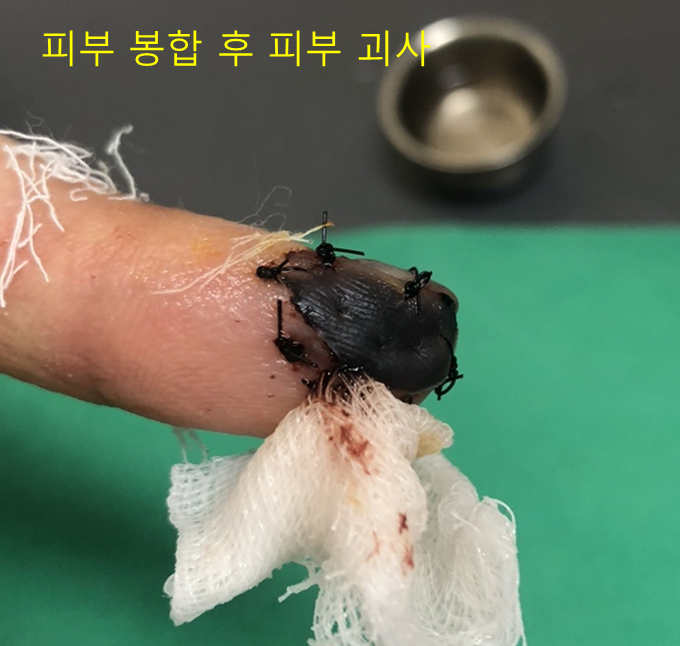
Photo of fingertip skin necrosis after skin closure
Fingertip necrosis found after skin closure
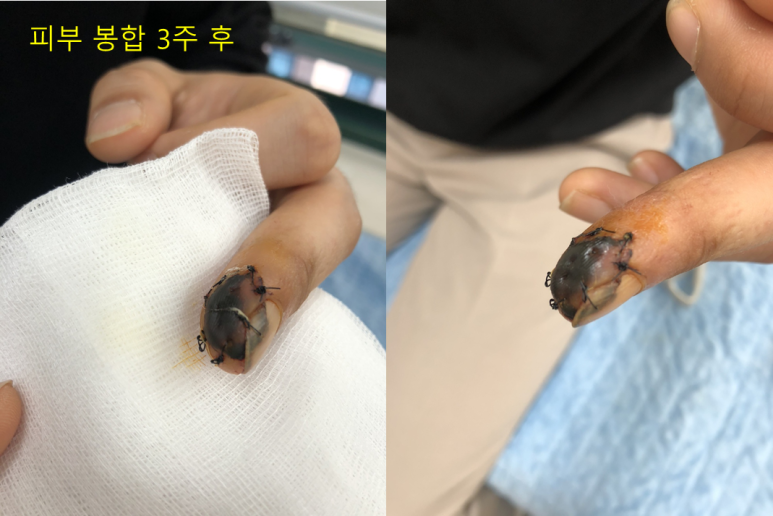
Photo of fingertip necrosis progress three weeks after skin closure
Remaining necrosis on the palm side after three weeks
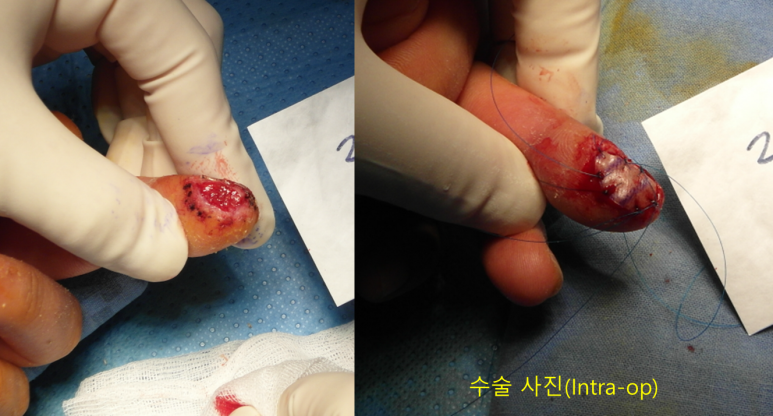
Photo during full thickness skin graft surgery on the fingertip
Full thickness skin graft after debridement of necrotic tissue
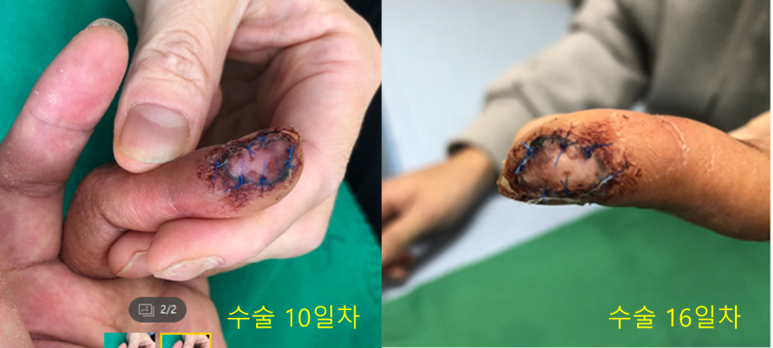
Photos at 10 and 16 days after full thickness skin graft surgery
Progress at 10 and 16 days after surgery
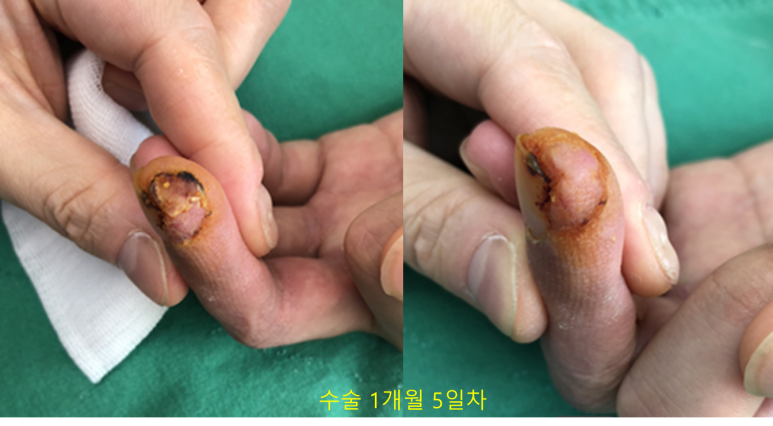
Photo at 1 month and 5 days after full thickness skin graft surgery
Progress at 1 month and 5 days after surgery
Fingertip Injury, Full Thickness Skin Graft

Full Thickness Skin Graft After Necrosis From a Fingertip Amputation Injury

After a fingertip amputation injury, tissue necrosis remained. Following three weeks of observation, skin from the thenar area was used to cover the fingertip. For the fingertip, both graft take and infection control are equally important.

View Original Blog Post
Situation
A 27 year old man visited after his fingertip was nearly amputated by a sharp knife while working part time at a restaurant. Fingertip skin necrosis was found on day 5 after the initial closure.
Treatment focus
Antiseptic dressing care and observation continued for three weeks, but necrosis remained on the palm side, so surgery was performed. Skin was harvested from the thenar area and used for a full thickness skin graft on the tip of the third finger.
Recovery guidance
After surgery, protecting the graft site from friction and maintaining antiseptic care and smoking cessation to prevent infection are important. In this case, the grafted skin was confirmed to have taken well after about five weeks.

The photos and descriptions above are summarized from a blog post to help you understand this case. Whether dressing, closure, or skin grafting is used for a fingertip wound can vary depending on the extent of the wound, degree of necrosis, presence of infection, and blood flow status.

Recovery and Precautions

The grafted skin is immobilized for a set period until it takes hold.
Dressings are changed regularly to prevent infection.
After recovery, avoiding sun exposure and keeping the area moisturized helps with scar care.

If the wound turns red and spreads, or if you develop pus or fever, this may indicate infection, so please contact us right away.

Frequently Asked Questions

QWhere does the skin come from?
It is usually taken as a thin layer from an area that is normally covered, such as the inner thigh, and the donor site also heals over time.
QWill the grafted skin look like the original skin?
Over time it comes closer to matching the surrounding skin color, but some difference in color and texture may remain. Smaller areas tend to have better results.

Do not put off persistent pain. Have it checked.

Our staff can guide you during clinic hours. Call us if you have questions before your visit.

CallHoursTop