
Pediatric Orthopedics

Supporting Your Child's Healthy Growth

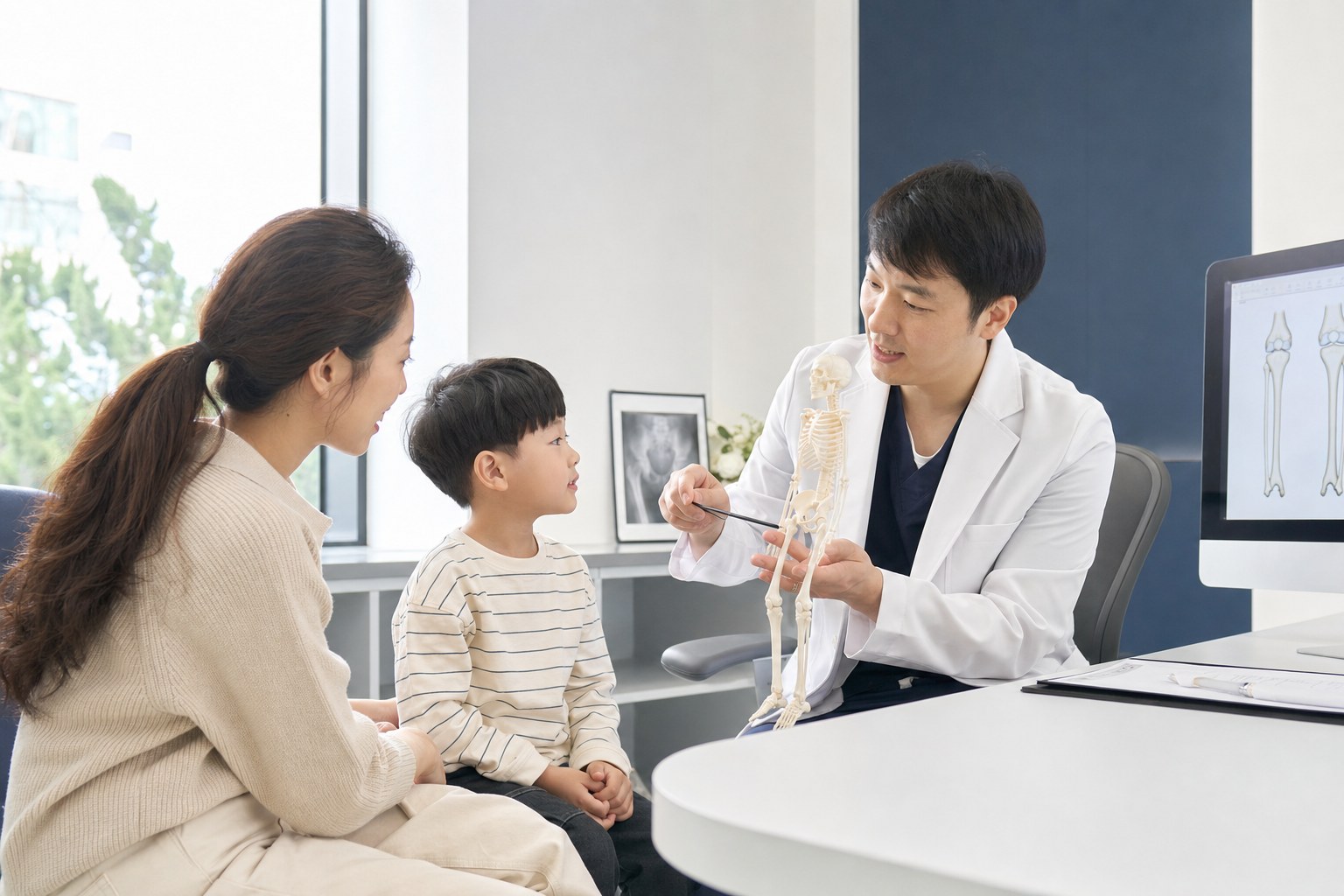
We specialize in pediatric orthopedic care, from growth-related issues to fractures and joint pain.

Predicted Height Assessment for Children

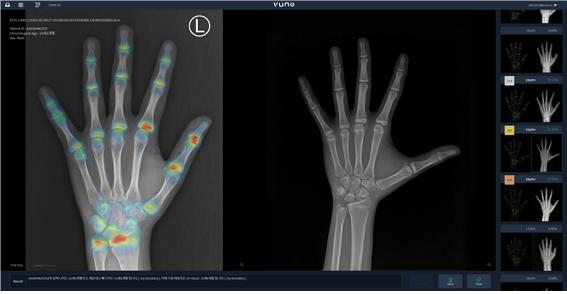
By referencing a hand X-ray together with AI-assisted analysis, we can assess your child's bone age and growth status.

AI analysis is a supportive tool that assists care; the final assessment is always made together with a clinical exam and imaging review.

A Real Case of Treating a Child's Fracture

For a child's fracture, we decide the treatment approach by considering age, the growth plate, and healing capacity together.

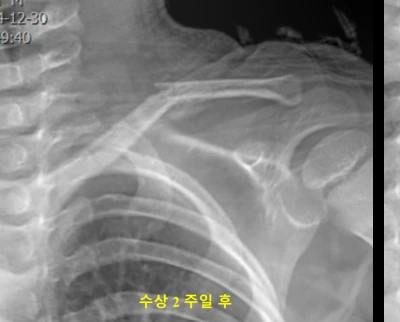
X-ray of a pediatric clavicle fracture at 2 weeks post-injury
2 weeks post-injury
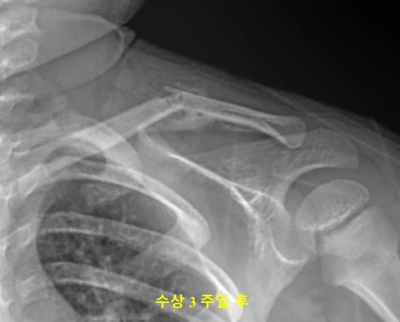
X-ray of a pediatric clavicle fracture at 3 weeks post-injury
3 weeks post-injury
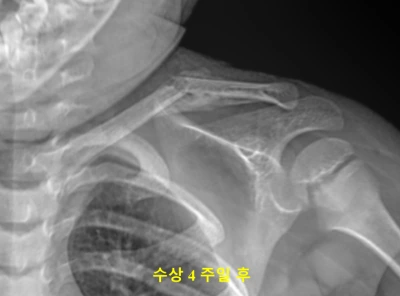
X-ray of a pediatric clavicle fracture at 4 weeks post-injury
4 weeks post-injury
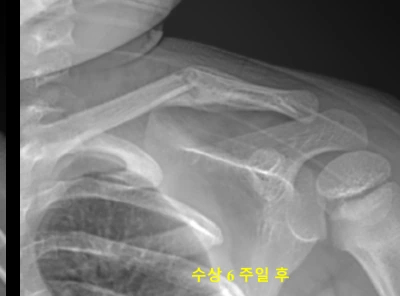
X-ray of a pediatric clavicle fracture at 6 weeks post-injury
6 weeks post-injury
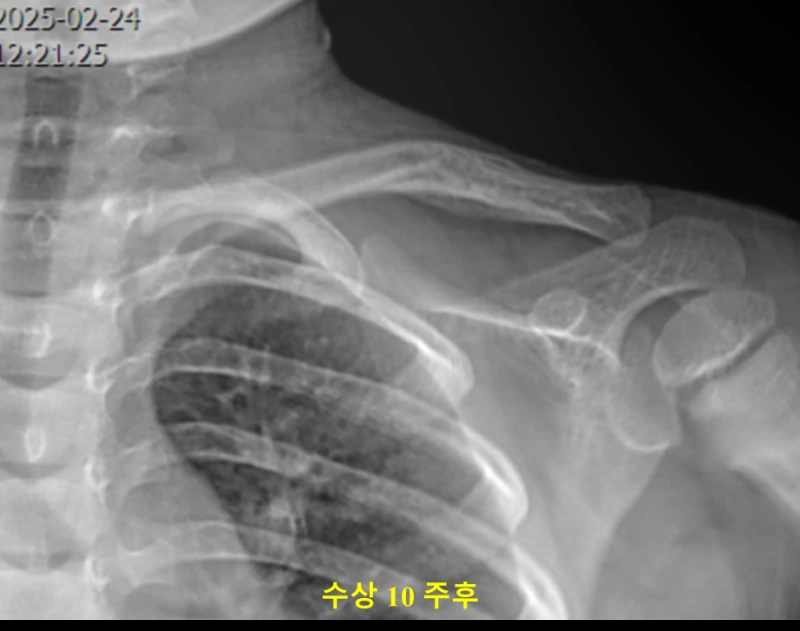
X-ray of a pediatric clavicle fracture at 10 weeks post-injury
10 weeks post-injury
Pediatric Clavicle Fracture - Non-Surgical Monitoring

A Child's Clavicle Fracture Often Remodels Well as They Grow

Unlike in adults, a child's periosteum is thicker and has a greater capacity to remodel bone shape, so we determine the treatment approach by considering both the fracture pattern and the child's age.

Read the original blog post
Situation
A case of a child with a confirmed clavicle fracture after a fall. In children, the periosteum is thicker and healing capacity differs from adults, so whether surgery is needed is judged carefully.
Treatment focus
In most cases, a brace and monitoring are prioritized over surgery. If the fracture is completely displaced, or if skin compromise or a suspected nerve or blood vessel injury is present, a separate evaluation is needed.
Recovery guidance
We track callus formation and bone remodeling over several weeks as the child grows.

This case summarizes a blog post for the purpose of informing parents. Even with the same type of clavicle fracture, the treatment plan can vary depending on the child's age, fracture location, degree of displacement, pain, and skin condition.

Questions Parents Often Ask

QIs in-toeing normal? How long can we just keep watching it?
In-toeing is very common during growth and usually improves naturally by around age 9. However, if the foot is stiff, is much worse on one side, or your child limps or complains of pain, an evaluation is needed. Corrective shoes or braces don't speed up recovery, so they aren't recommended.
QIf my child has flat feet, does it need to be treated?
Flat feet in young children are usually normal, and an arch typically develops naturally by around age 6. An evaluation is only needed if there's pain or if foot stiffness is limiting movement. If there are no symptoms, watchful waiting is enough.
QHow much growing pain is considered normal?
Growing pains typically occur at night in the legs, are absent during the day, and come without swelling or warmth. They usually settle with massage or a warm compress. If pain continues during the day, or there's swelling, fever, or it's only on one side, an evaluation is needed.
QAre bowlegs and knock-knees normal development?
Bowed legs in infancy and knock-knees around ages three or four are part of normal development. Leg alignment continues to change up until around age 7. However, if bowing is severe or worsening after age 3, or there's a noticeable difference between the two sides, an evaluation is needed.
QHow is scoliosis checked, and when should it be treated?
It tends to appear during the rapid growth phase just before puberty. We check the height of both sides of the back, along with shoulder and pelvic balance, while the child bends forward. Depending on the degree of curvature, monitoring, a brace, or surgery are considered step by step, so don't delay following up on a school screening or exam result.
QMy child falls more often than other kids their age — is that okay?
Falling occasionally is normal. However, if your child falls noticeably more often than peers, falls for no clear reason, or has a clearly poor sense of balance, it's worth checking for developmental, vision, muscle strength, or neurological issues.
QMy child walks only on their toes — is that okay?
This can be normal before age 2. However, if toe-walking continues past age 3, it may indicate tight calf muscles or a neurological issue, so an evaluation is needed. It's especially important to have this checked if it continues at age 5 or older.
QShould a child's fracture be viewed differently from an adult's?
About one-third of fractures in children involve the growth plate. If a growth plate heals incorrectly, it can lead to bone deformity or a difference in limb length, so precise reduction and immobilization, along with periodic reassessment even after healing, are important.

Notice

It can be hard to tell from the outside whether a change is a normal part of growth or a sign that needs medical attention. If you're concerned about a change, the safest step is to have it checked by a doctor.

Do not put off persistent pain. Have it checked.

Our staff can guide you during clinic hours. Call us if you have questions before your visit.

CallHoursTop