
Where does it hurt?
Common Orthopedic Conditions
Select the area that hurts.
Select an area to see common conditions.
Trauma Care
Trauma care varies based on whether a fracture is present and on the depth, contamination, and location of a wound. For fractures, sports injuries, abrasions, burns, and lacerations, we assess the extent of injury and whether surgery may be needed, then connect each patient with appropriate treatment.
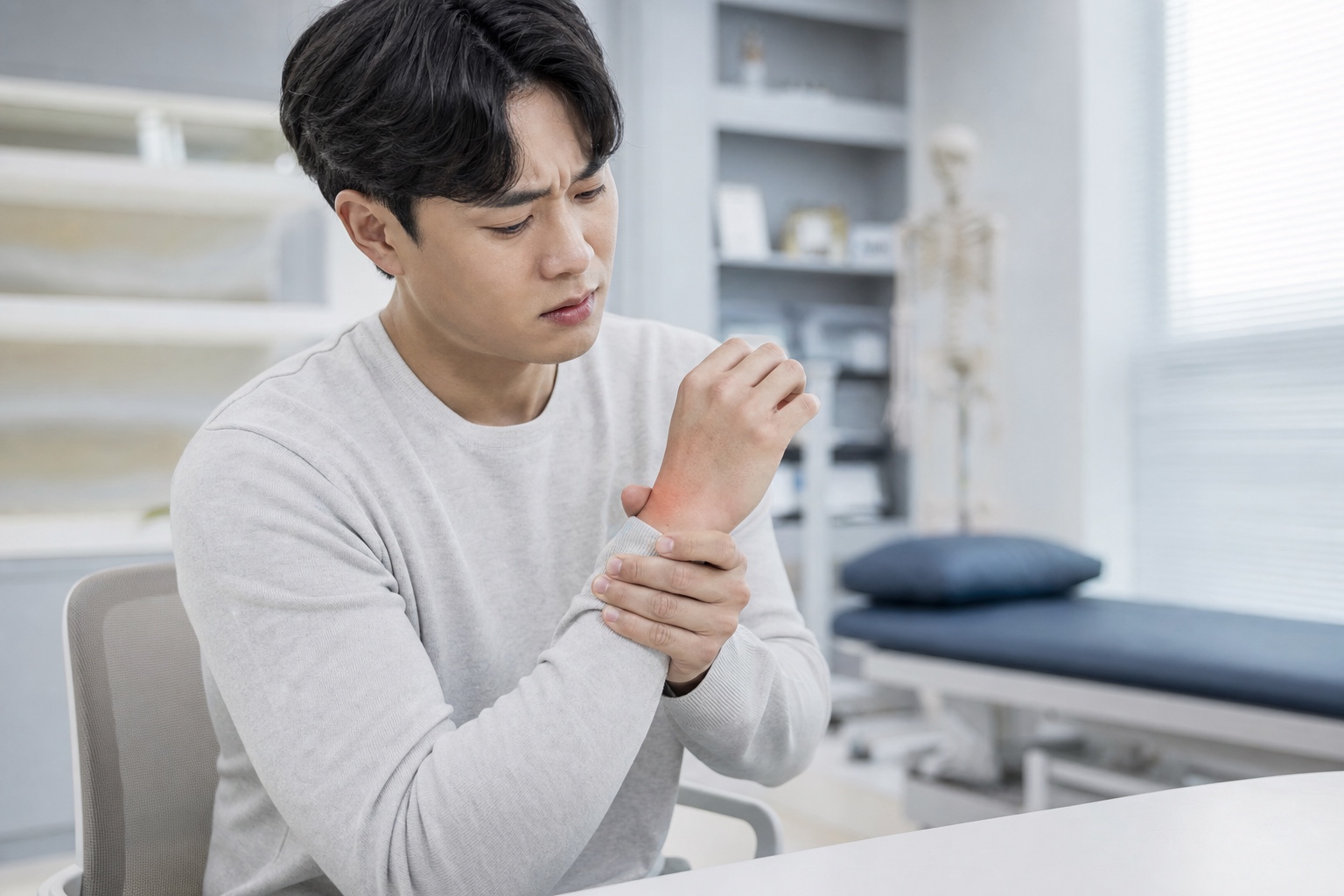
Fracture Care (Non-Surgical)
For fractures that do not require surgery, we assess alignment and stability using X-rays and a physical examination, then immobilize the injury with a splint, cast, or brace and continue rehabilitation as the bone heals.
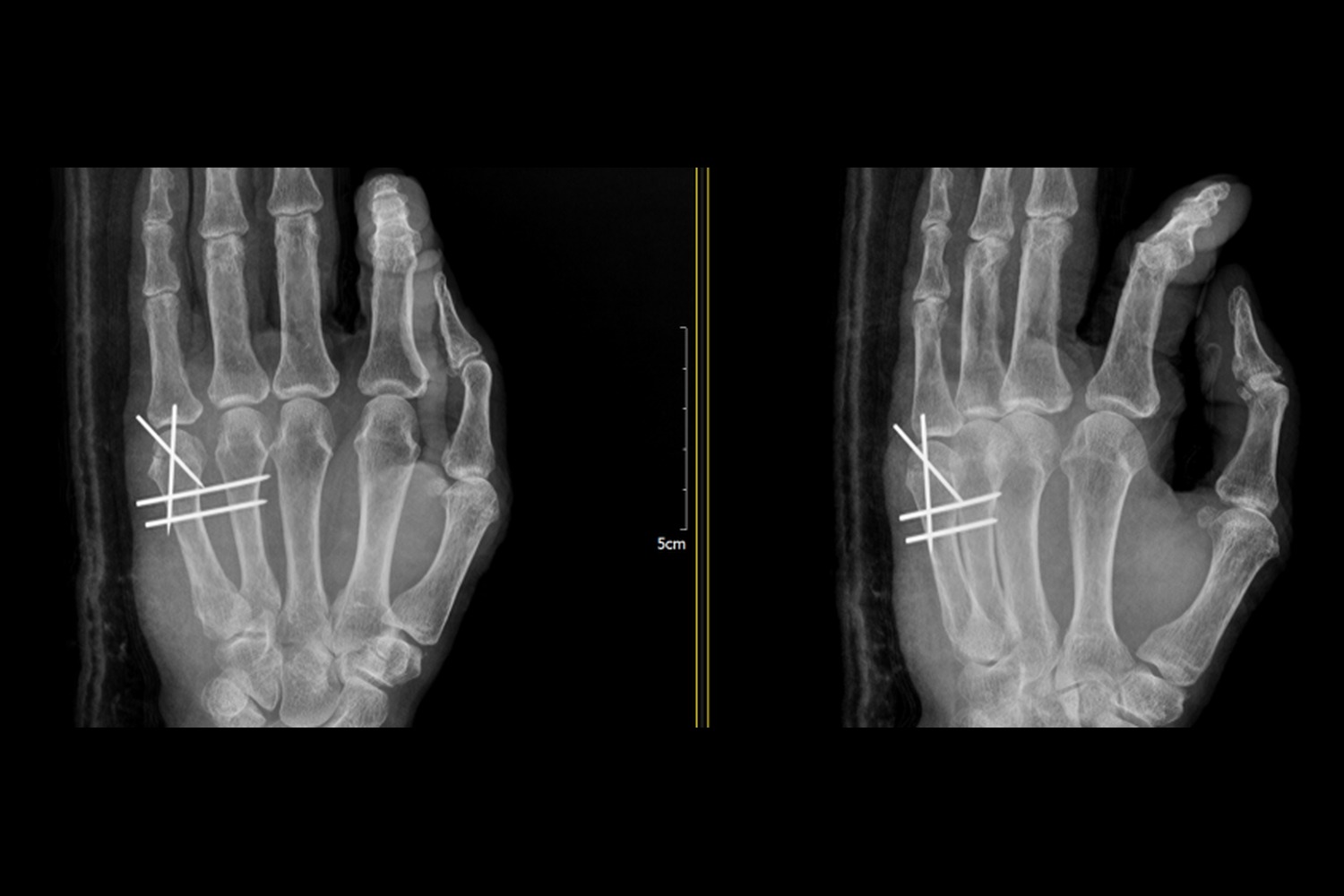
Fracture Care (Surgical)
Determining whether surgery is necessary is the most important consideration in fracture care. Based on extensive experience and an accurate diagnosis, we recommend the best treatment approach for you.
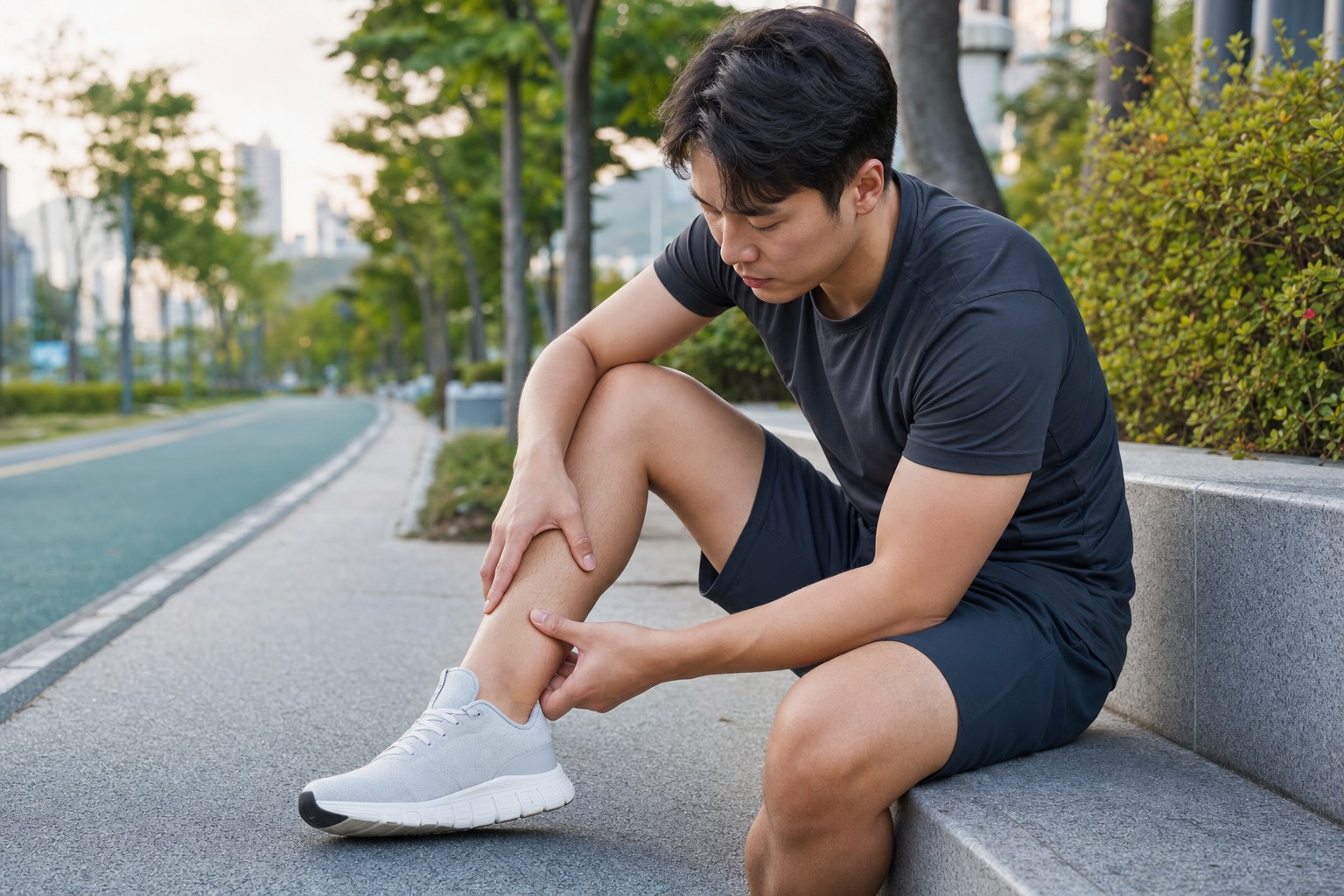
Sports Injuries (Muscle and Ligament Injuries)
For muscle and ligament injuries sustained during sports, we assess pain, swelling, joint instability, and movement limitations, then develop a treatment and rehabilitation plan appropriate to the severity of the injury.
Abrasion Care
For skin that has been scraped and torn, we first check for sand, foreign material, and contamination. Cleaning, disinfecting, and dressing the wound helps reduce infection risk, and we also assess whether tetanus prevention is needed.
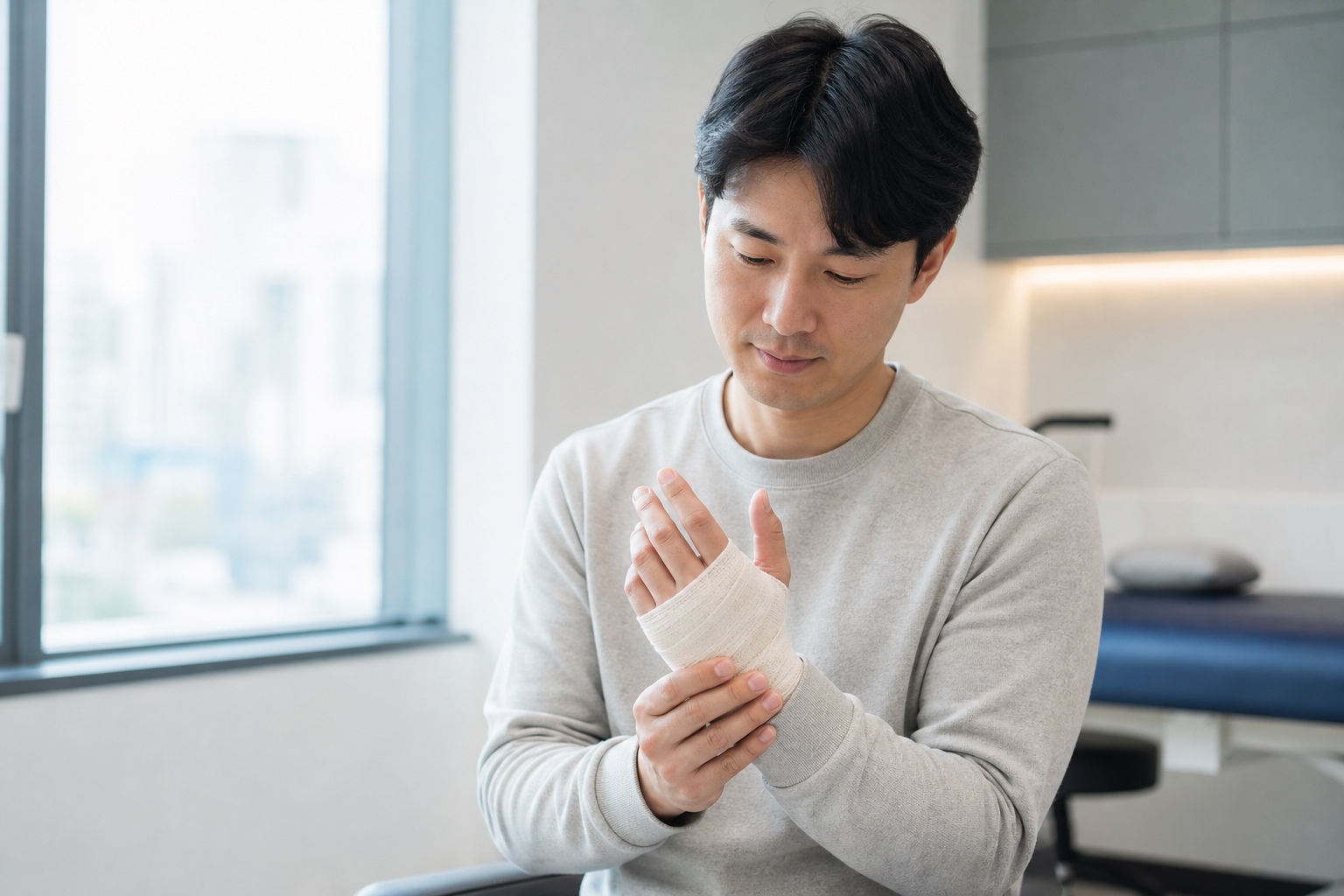
Burn Care
For burns, we assess depth and extent along with blisters, pain, and infection risk. We provide initial dressing and medication, and for burns near a joint, we also check for any restriction in movement.
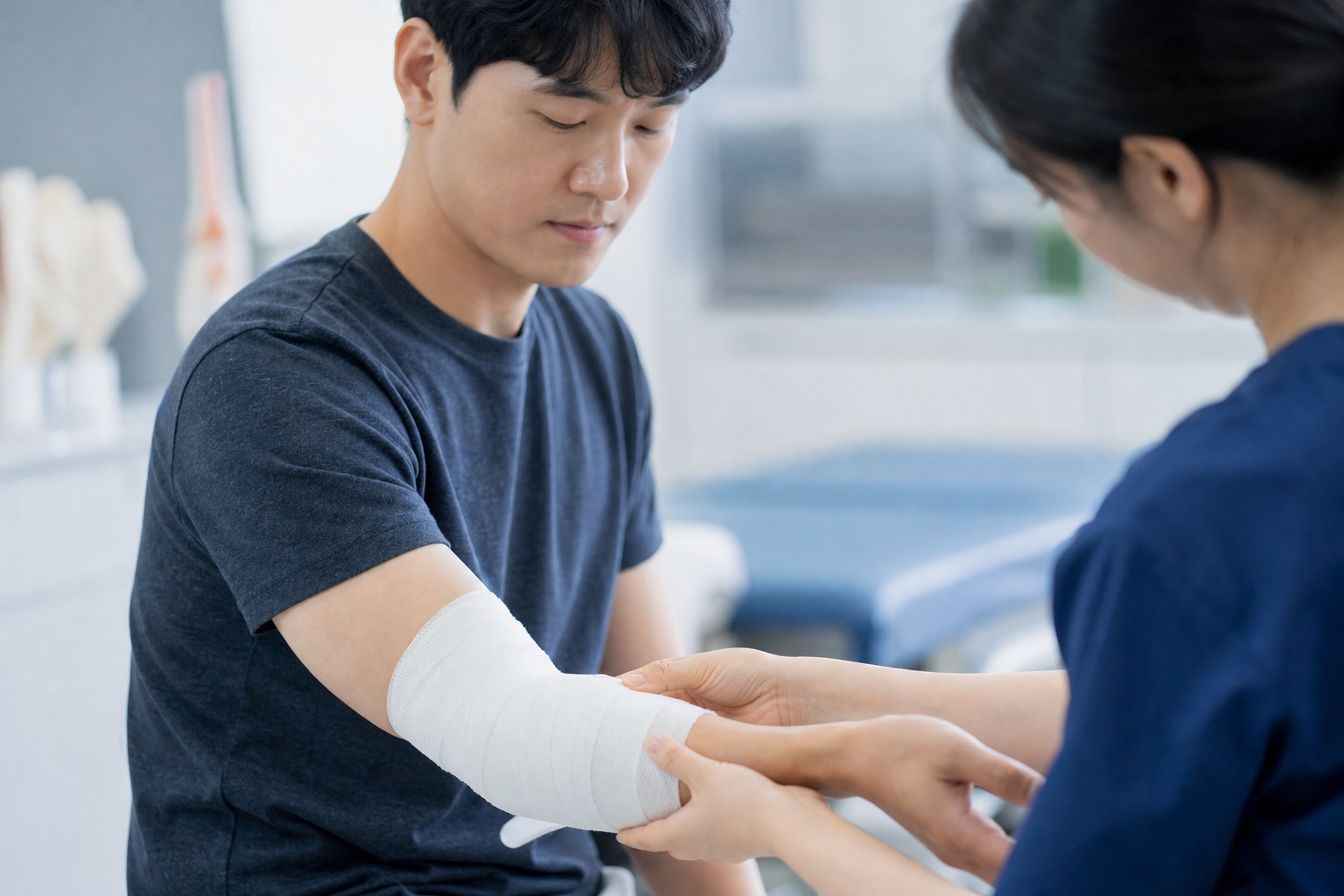
Laceration Care
For cuts and tears, we check for bleeding, depth, and the possibility of nerve or tendon damage. If needed, we clean and suture the wound, and provide guidance on dressing changes and the timing for stitch removal.
Injection Treatment
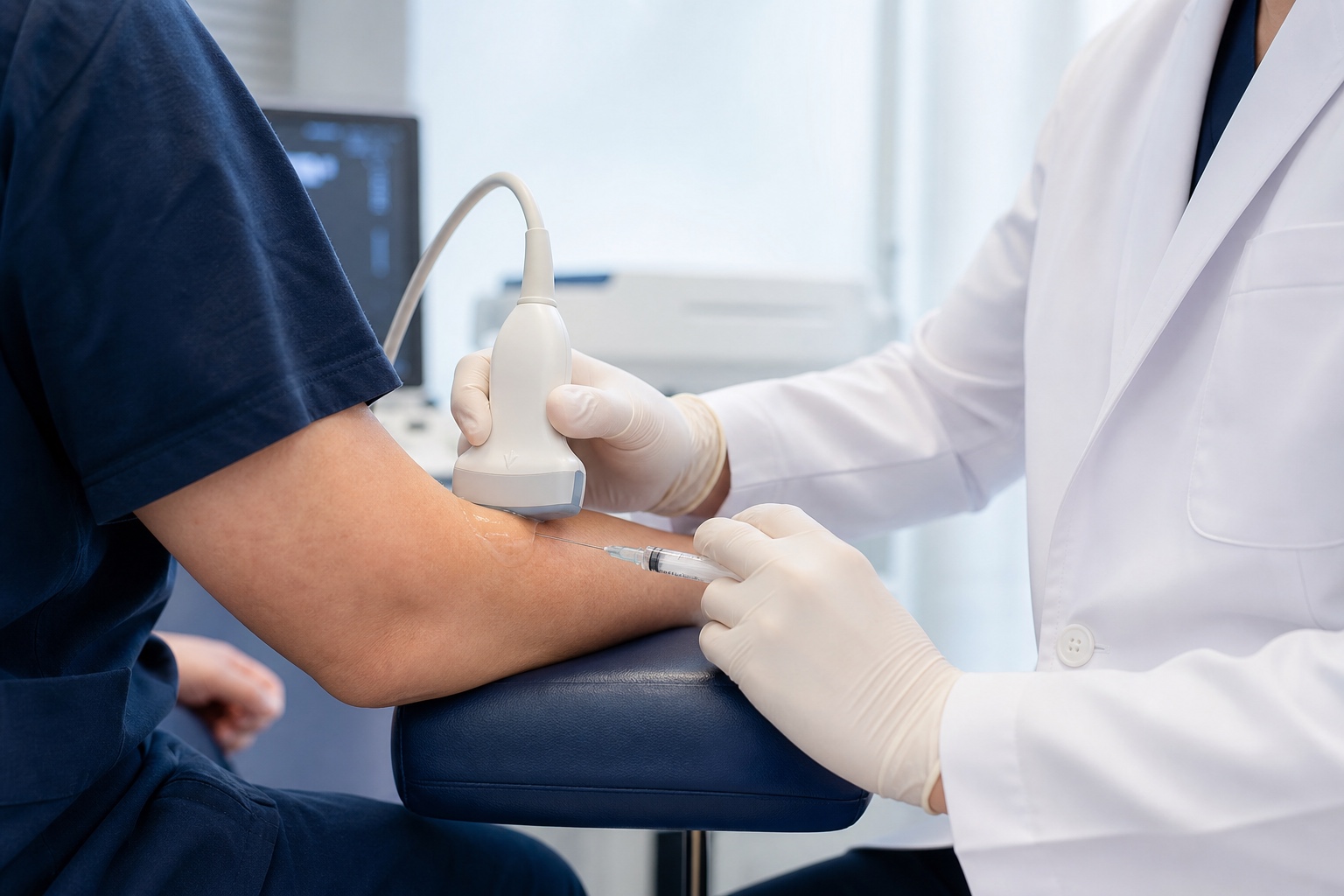
We choose an imaging-guided approach based on the location and cause of the pain. By checking the structures around the nerve, we deliver medication precisely to the area that needs it, and when a steroid may be needed, we explain the potential benefits and drawbacks before deciding together.
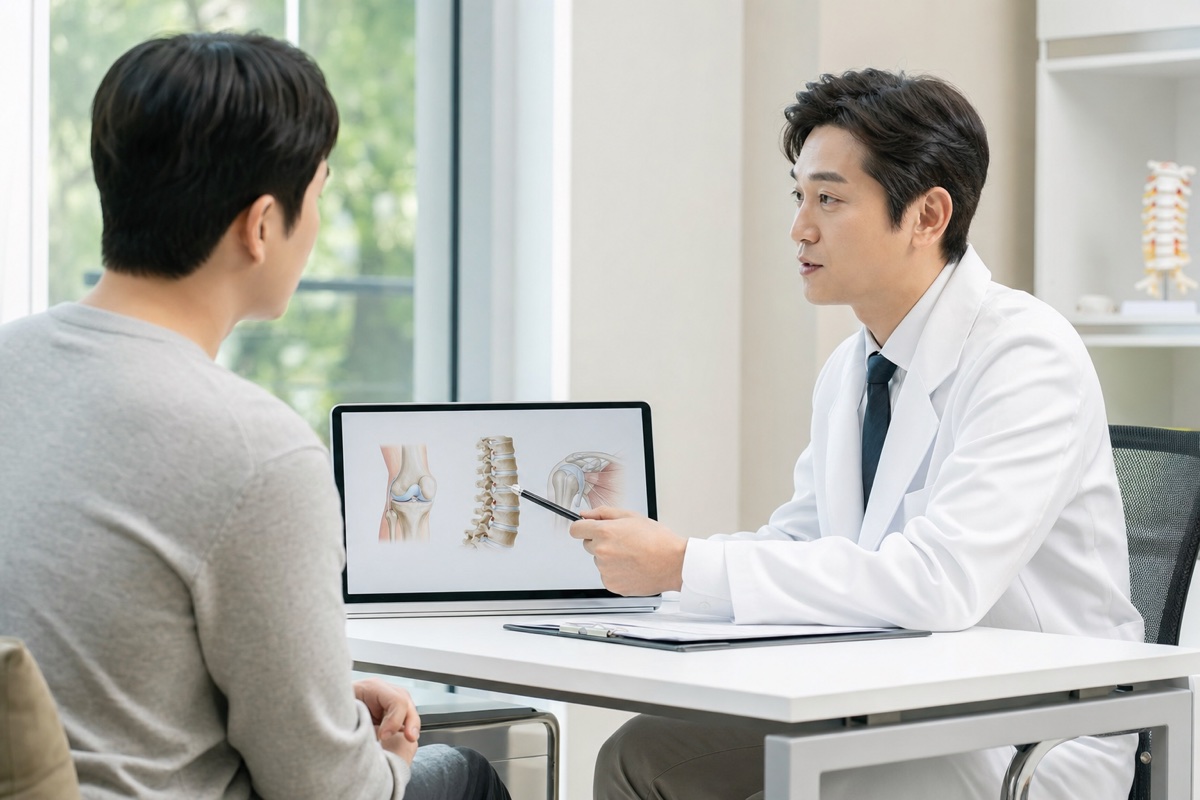
C-arm Guided Nerve Block Injection
Using C-arm fluoroscopy to confirm positioning around the spine and joints, we deliver medication near the nerve. This approach is considered when deep structures need to be precisely identified, such as for low back pain, neck pain, or leg numbness/tingling.
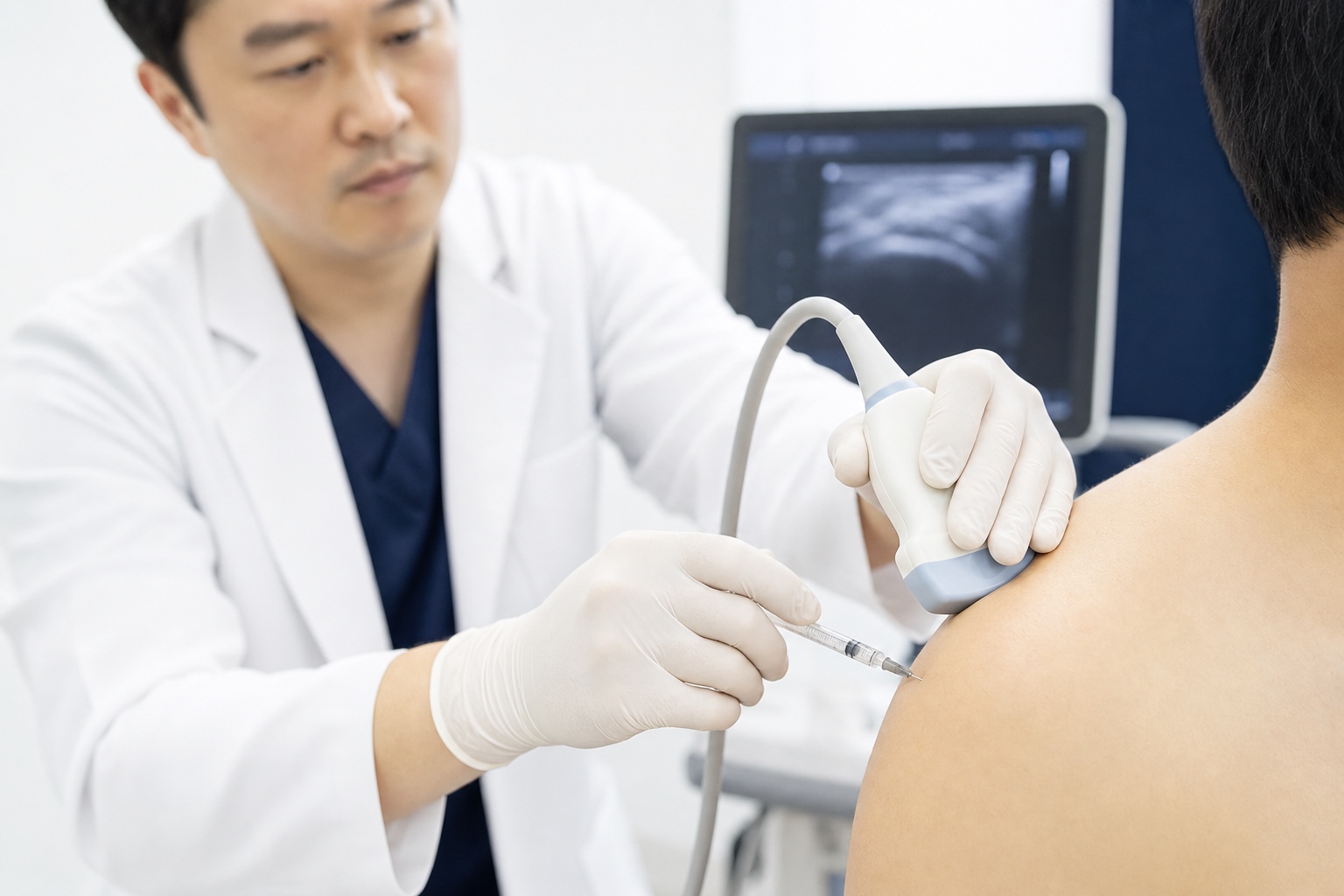
Ultrasound Guided Nerve Block Injection
Using ultrasound to view nerves, blood vessels, tendons, and areas of inflammation in real time, we reach the exact point that needs treatment. This is used when surface structures and soft tissue need to be assessed together, such as in the shoulder, elbow, hand, or foot.
Injection Ingredients
The name of an injection refers to the ingredient used, not the delivery method. We choose the ingredient needed based on the cause of pain, the degree of inflammation, and the goal for tissue recovery.
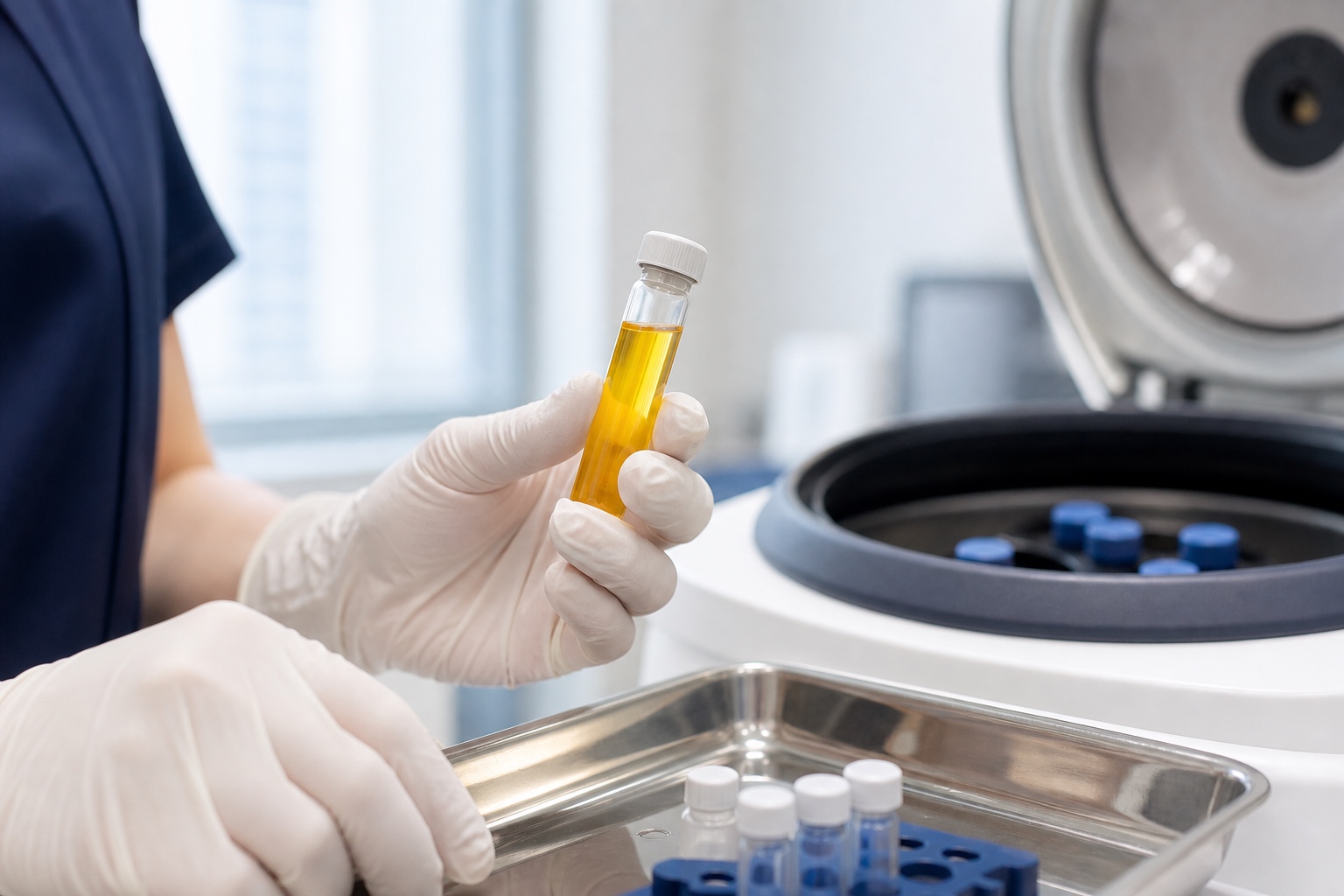
PRP Injection
This concentrates components from the patient's own blood to support tissue recovery. It is considered when tendons or ligaments need a stimulus for recovery, and the effect appears gradually.
Prolotherapy Injection
A 5% glucose solution is used around nerves, while a higher concentration of 12-15% glucose is used for ligaments and tendons. Higher-concentration glucose is known to promote a local inflammatory response and the release of growth factors, helping to activate the tissue's healing process.
PDRN (DNA) Injection
This aims to support tissue regeneration together with reduced inflammation. It is considered as an option when addressing inflammation and the recovery environment without steroids.
Hyaluronidase Injection
Hyaluronidase is used to improve movement in tissue that has become adherent and to help medication spread, which can enhance treatment effectiveness around nerves and soft tissue.
Comparing Regenerative/Proliferation Injections and Steroid Injections
Extracorporeal Shockwave Therapy
For chronic pain around tendons and ligaments, extracorporeal shockwave therapy may be added, depending on the condition, to support pain relief and a favorable recovery environment.
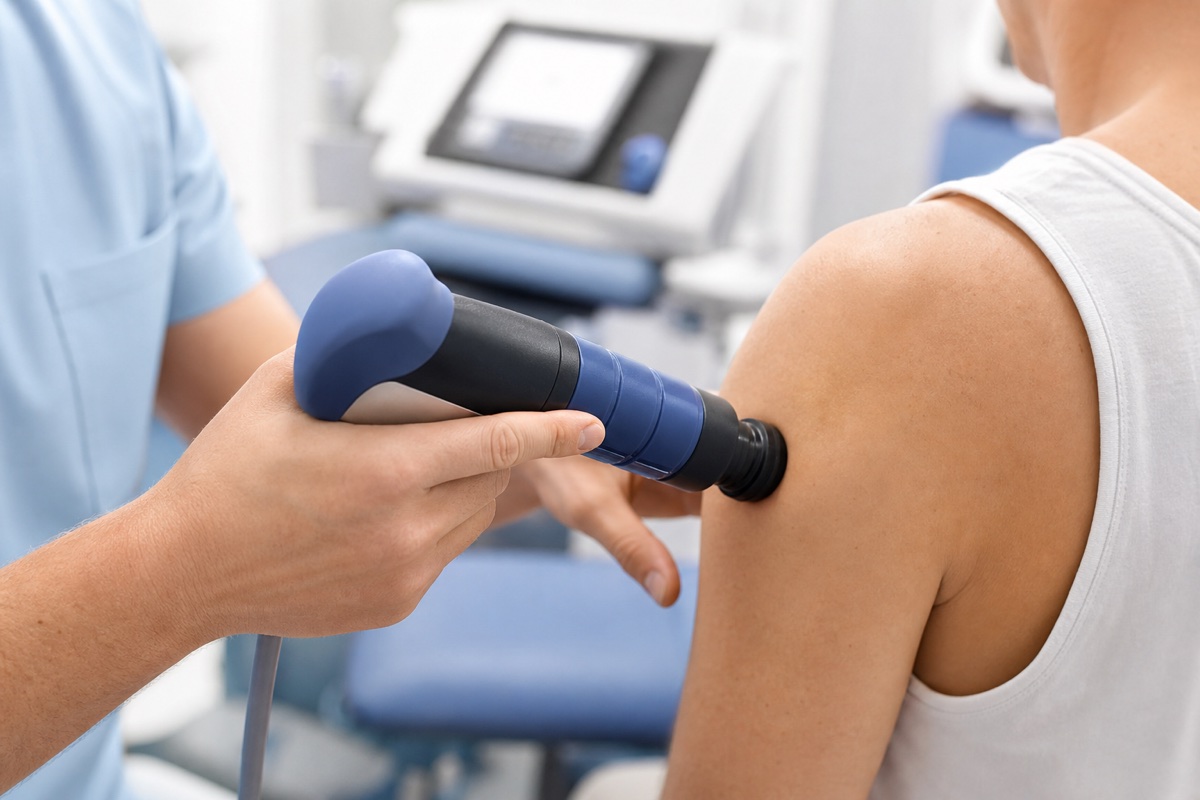
Checking the Treatment Area
We check the location of pain, tender points, and ultrasound findings when needed, to determine where to apply the shockwave.
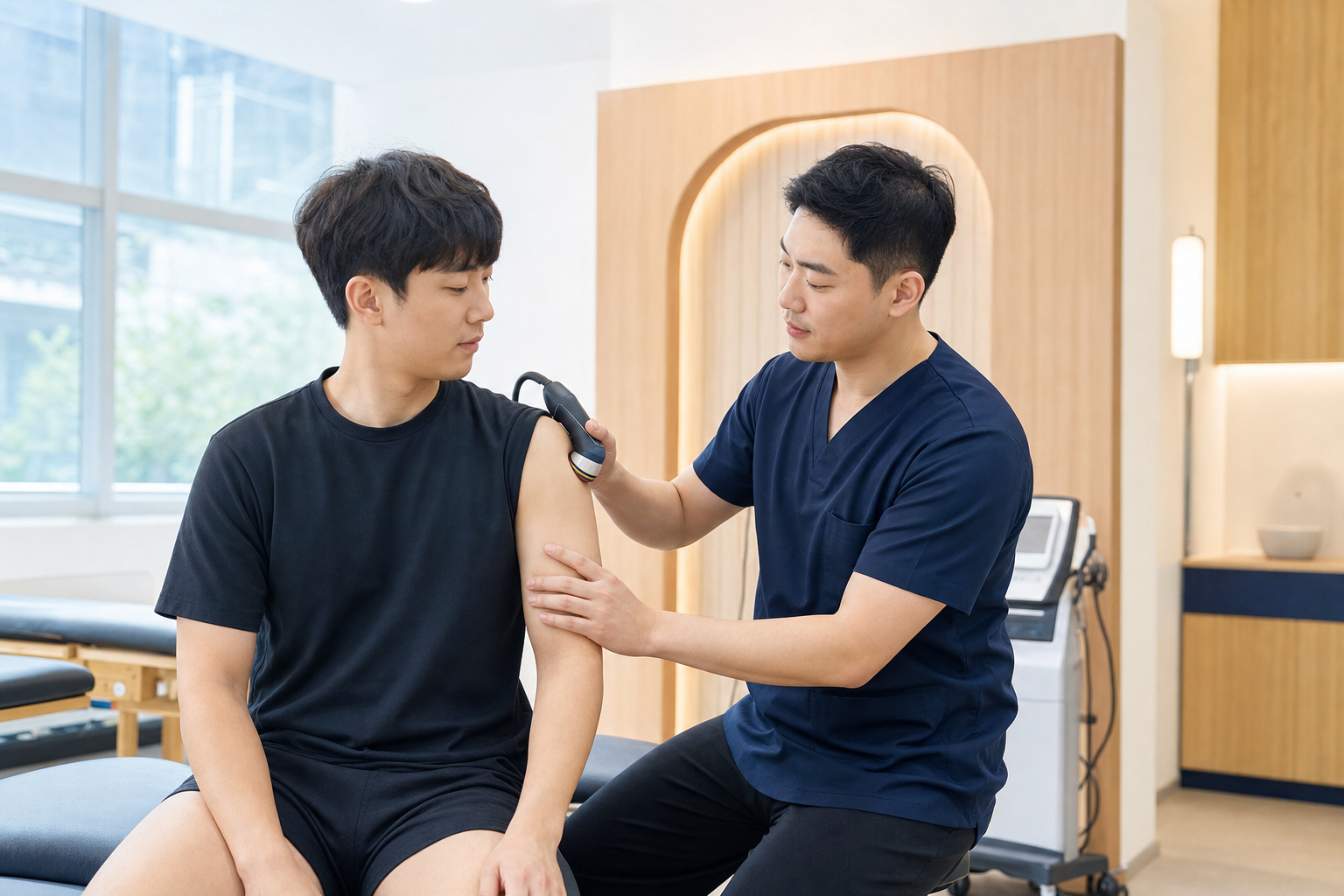
Applying Shockwave Therapy
For conditions such as plantar fasciitis, tennis elbow, and calcific tendinitis, we adjust the intensity and range to fit the condition, and proceed based on the patient's pain response.
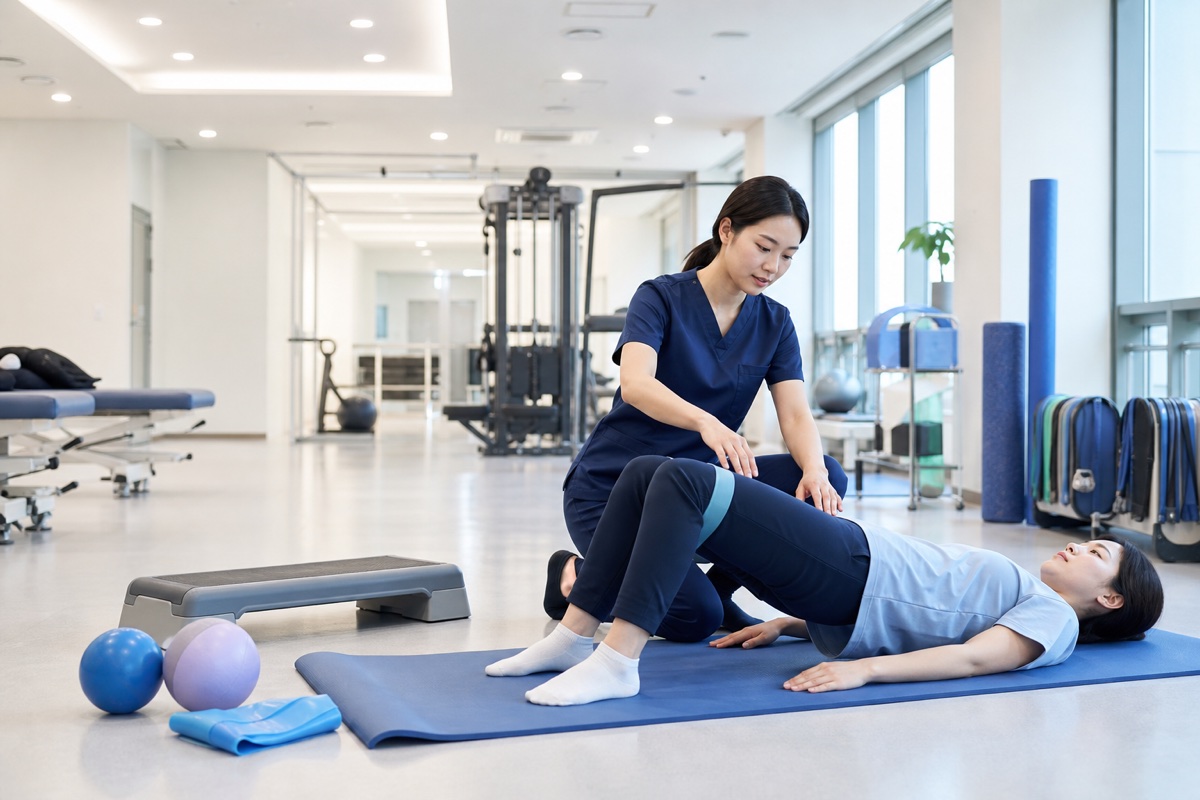
Combining Exercise and Lifestyle Management
Rather than relying on shockwave therapy alone, we also guide patients through stretching, strengthening exercises, and adjustments to habits of use, to help reduce the chance of recurrence.
Exercise Rehabilitation
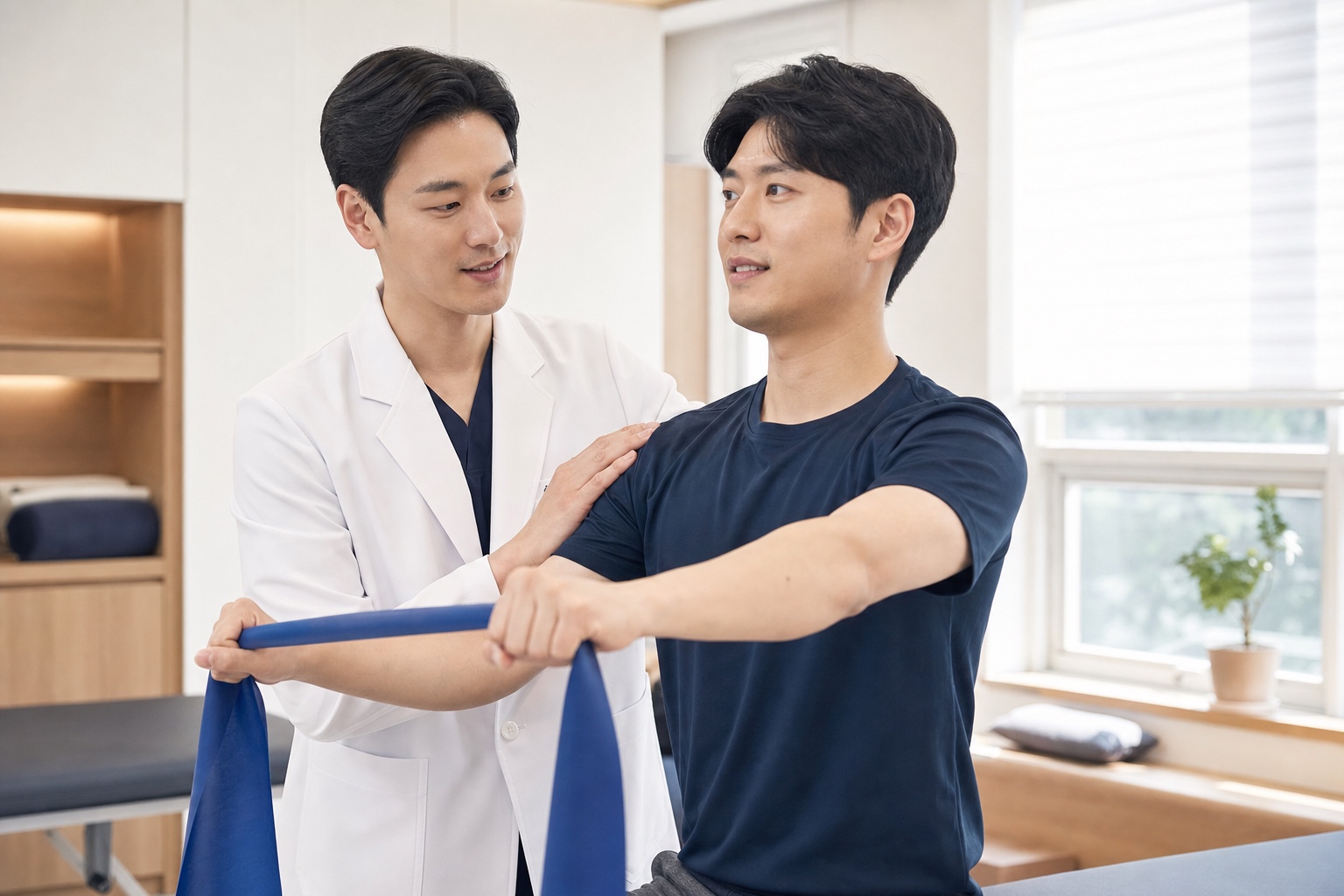
For treatment benefits to last, it's important to restore the strength to move again after pain has decreased. We continue the process from initial assessment through staged exercise.
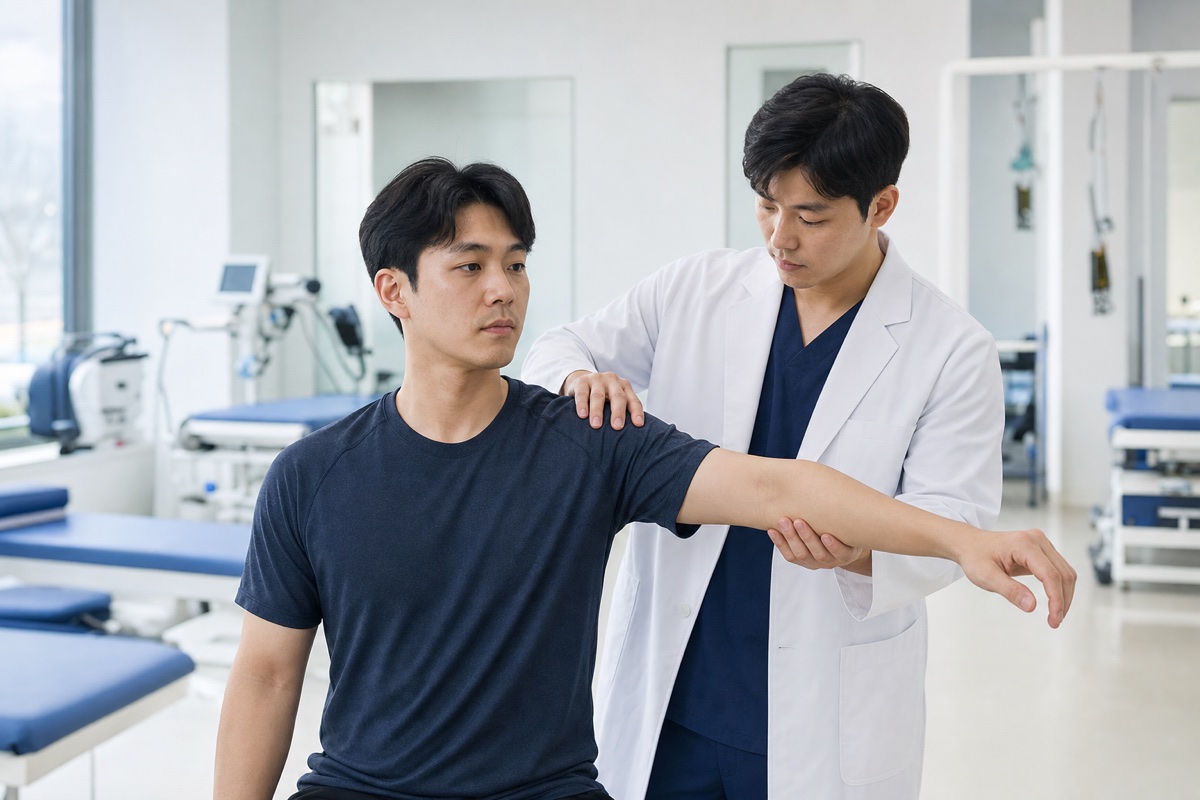
Movement Assessment
We assess the postures that trigger pain, joint range of motion, muscle strength, and balance, then set priorities for treatment.
Staged Exercise Program
During the acute pain phase, we reduce strain, then progress to exercises that build strength and control during the recovery phase.
Recurrence Prevention Education
We work together to adjust daily movements, activity levels, and the timing of return to activity. Patients learn how to manage their own condition to help prevent the pain from returning.
Do not put off persistent pain. Have it checked.
Our staff can guide you during clinic hours. Call us if you have questions before your visit.