
Hand Procedure Clinic

For a finger that catches and clicks, a needle-sized minimally invasive procedure can help — you can wash your hands again in two days.

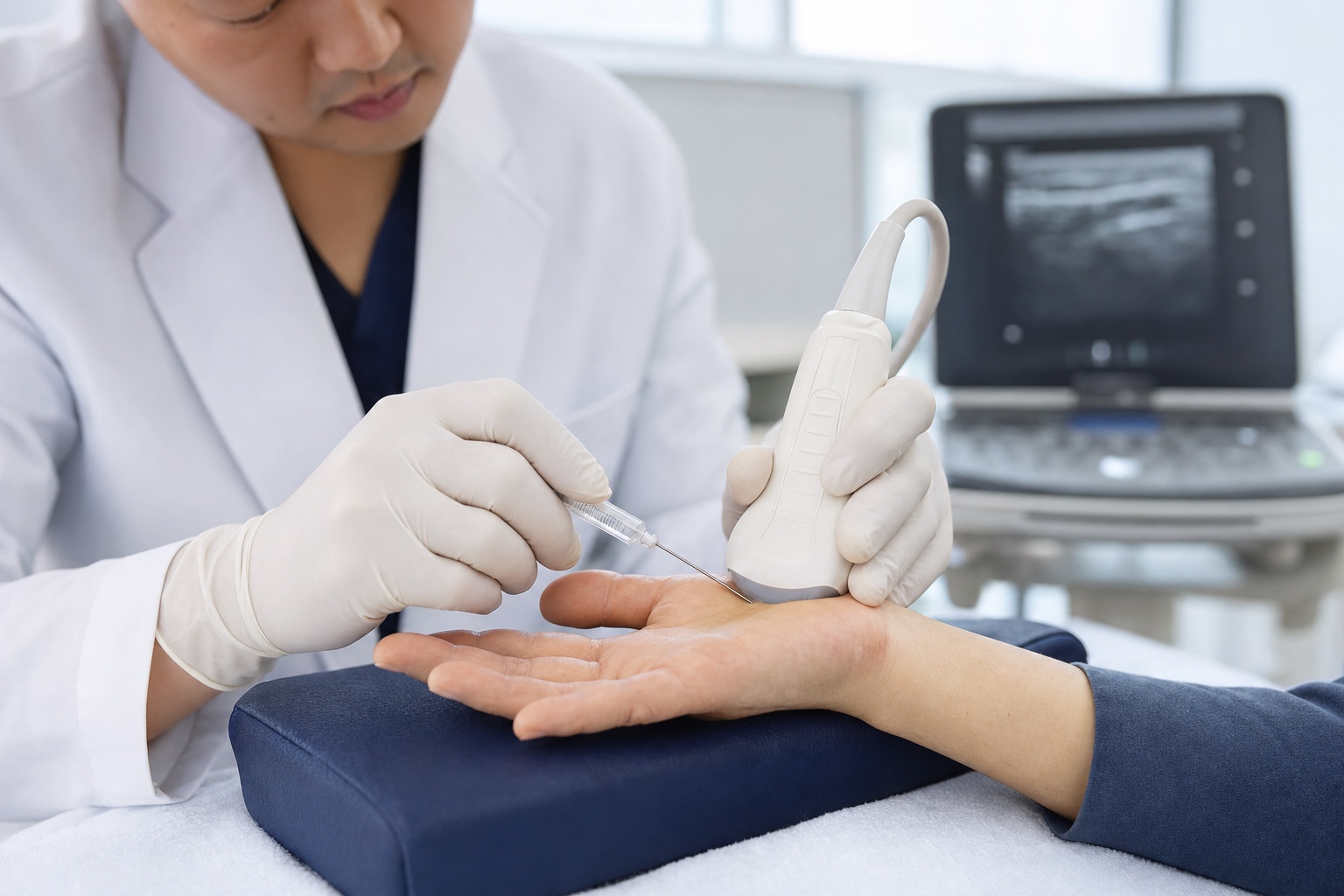
Trigger finger happens when the tendon that bends your finger gets caught in a narrowed tunnel. Using ultrasound guidance, we widen that tunnel with a small needle.

When to Consider Percutaneous Release

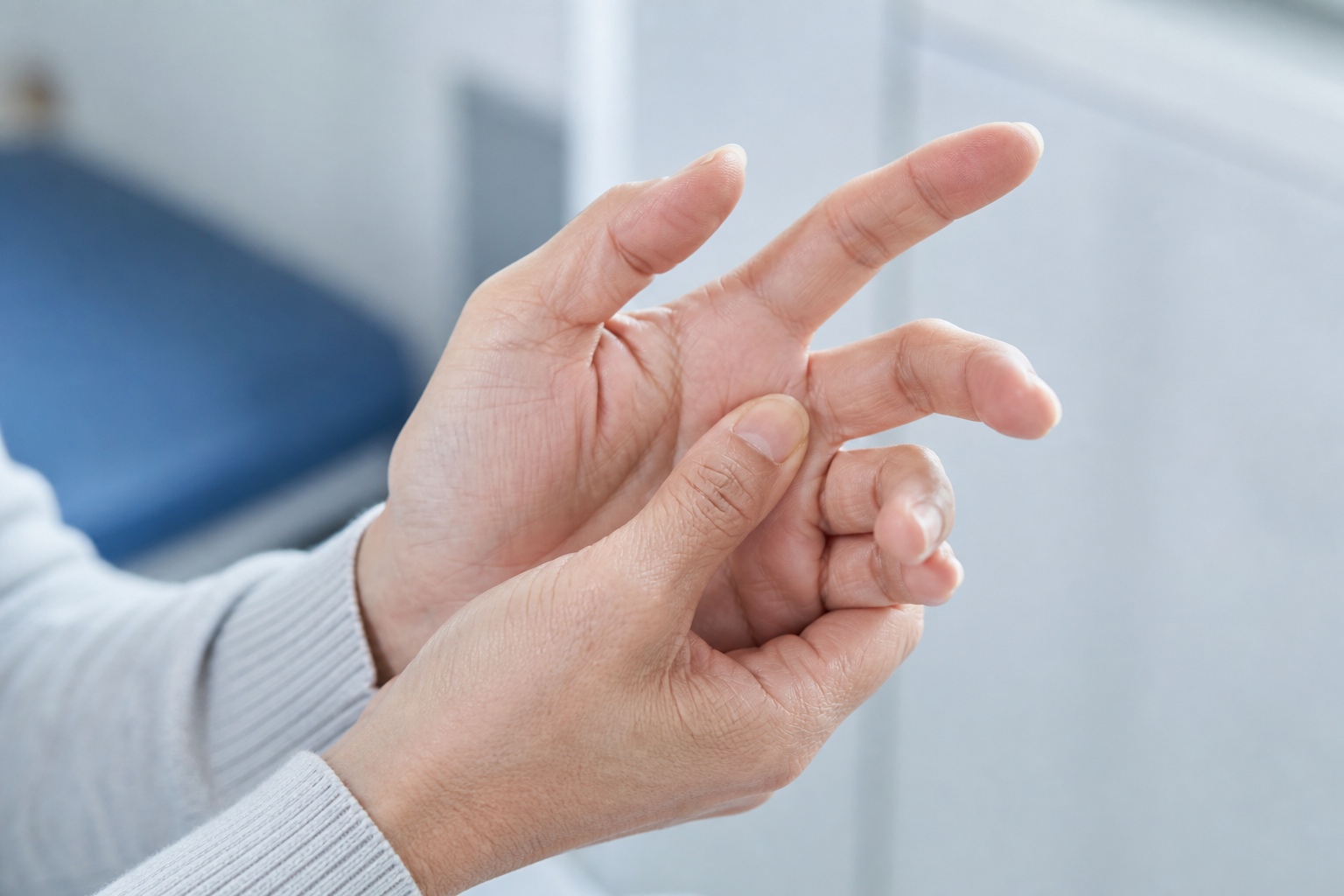
Your finger repeatedly catches or won't fully straighten
Your finger feels stiff and hard to straighten in the morning
The catching has come back after an injection treatment
Pain and catching are interfering with work or daily life
You'd like to reduce surgical scarring and recovery time
When to Consider Percutaneous Release
How the Minimally Invasive Release Procedure Works

How the Minimally Invasive Release Procedure Works

  1. 01

    Local Anesthesia and Positioning

    Local anesthesia

    Using ultrasound, we locate the narrowed tunnel (A1 pulley) along with nearby nerves and blood vessels.

  2. 02

    Widening the Tunnel with a Needle

    About 10-20 minutes

    A small needle is inserted to release the narrowed tunnel, allowing the tendon to glide smoothly.

  3. 03

    Confirming the Catching Has Resolved

    We bend and straighten the finger directly to confirm the catching has resolved before finishing. You can go home the same day.

Real Treatment Case

Here's how a minimally invasive trigger finger release fits into an actual course of care.

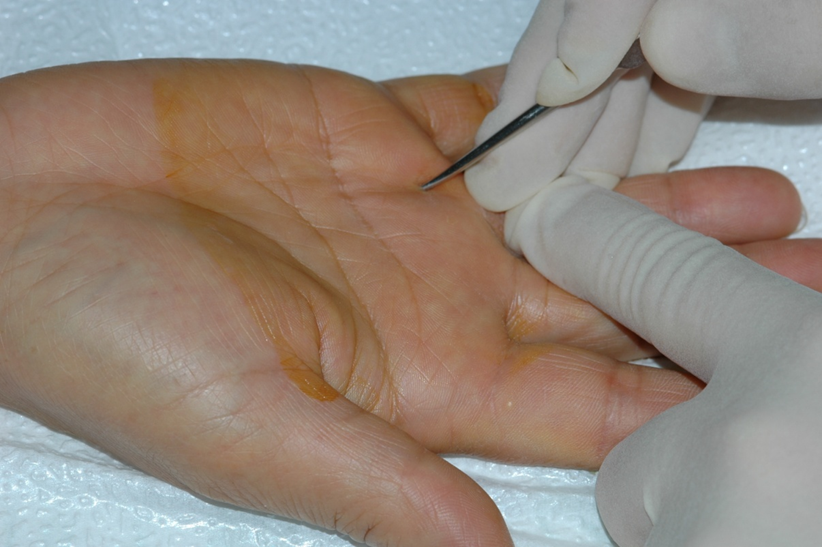
Photo showing the needle entry site on the palm during minimally invasive trigger finger release
The procedure widening a narrowed tunnel through a needle-sized opening
Video checking thumb movement after the procedure
Hand - Minimally Invasive Trigger Finger

Trigger Finger That Felt Too Risky for Surgery — Washing Hands Again Two Days After an Outpatient Procedure

Situation
Male in his 40s - finger catching and pain; visited us after being advised to have open surgery at another hospital
Treatment focus
Ultrasound confirmed narrowing of the A1 pulley. Instead of an open incision, we performed a minimally invasive release with a needle to widen the tunnel, done on an outpatient basis.
Recovery guidance
He resumed daily activities like washing his hands starting two days after the procedure, and by two weeks he had returned to work with no catching symptoms.

Comparison with Open Surgery

Incision
Needle-sized, virtually no scarring
Anesthesia
Local anesthesia
Recovery
Light hand use from the next day
Multiple Fingers
Can be treated together in one session

Which approach is right depends on the degree of catching and the condition of your fingers, and is decided after an examination.

Recovery and Precautions After the Procedure

Light hand use such as computer work or housework is possible from the day after the procedure.
Avoid overly bending the finger for the first 1-3 weeks.
Tasks requiring a strong grip should be increased gradually as recovery progresses.

Please contact us right away if you have ongoing swelling, numbness, or a cold sensation in the finger.

Frequently Asked Questions

QHow many days after surgery can I go back to work?
Most patients can resume light daily activities from the next day and return to normal work within a few days. We'll guide you on strenuous hand use as your recovery progresses.
QMultiple fingers are catching — can they all be treated at once?

Yes, the tunnels for multiple fingers can be widened together in a single procedure, and recovery follows the same timeline.

QCan it happen again?

Recurrence is rare. If catching does return, we'll check your condition and consider further treatment.

Do not put off persistent pain. Have it checked.

Our staff can guide you during clinic hours. Call us if you have questions before your visit.

CallHoursTop