
Gluteus Medius Tendinopathy
Outer hip pain during running, stairs, or single-leg stance, often uncomfortable when lying on that side.
Understanding Gluteus Medius Tendinopathy
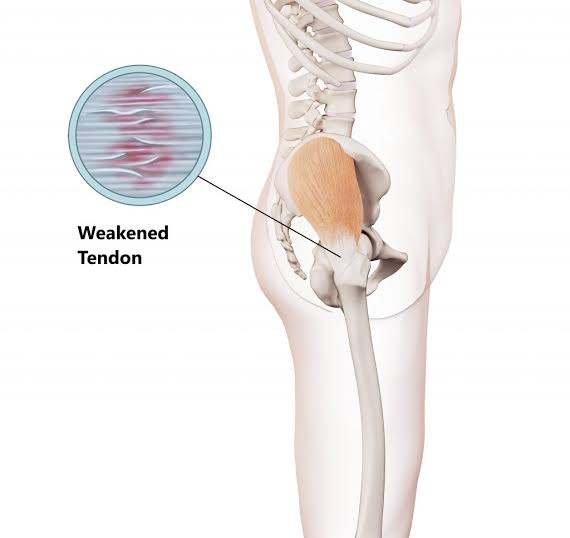
Repeated load and compression can affect the gluteus medius tendon where it attaches to the greater trochanter. Mileage increases, reduced pelvic stability, and side-lying pressure may aggravate symptoms.
Treatment Direction
Adjust Compression and Distance
Avoid lying on the painful side or crossing the legs, and temporarily reduce running distance and incline.
Differentiate Outer Hip Pain
We assess tendon tenderness, hip motion, and lumbar nerve signs to identify the pain source.
Improve Pelvic Stability
Progressive gluteal strengthening improves pelvic control during single-leg stance and landing.
Return-to-Running Criteria
When to Seek Evaluation Promptly
Evaluation is needed if weight bearing is difficult after an injury, deep groin pain or joint locking occurs, or numbness and weakness accompany the pain.
Do not put off persistent pain. Have it checked.
Our staff can guide you during clinic hours. Call us if you have questions before your visit.